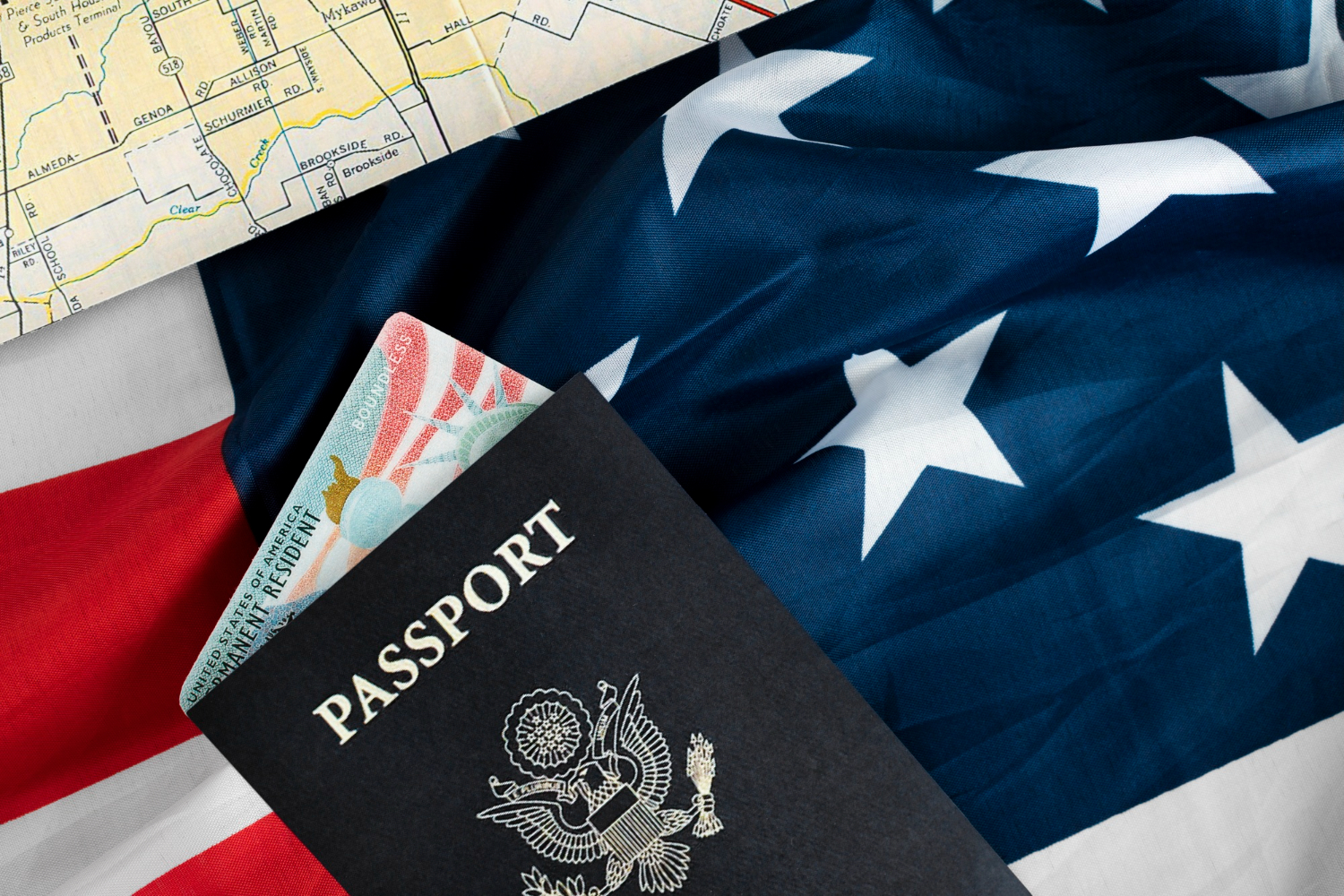
The difficult part is often not deciding that the relationship is serious and anyone spending time on https://women-for-marriage.com/ while comparing dating cultures should understand how quickly marriage plans turn into questions about evidence, timing, money, family expectations, and where both people will actually live. For a busy professional trying to make a thoughtful commitment, the marriage green card process for a foreign wife deserves more than a quick scan of government forms. It reveals how a couple handles pressure, whether they can stay honest, organized, and respectful while a private relationship is being examined through a legal system.
How the I-130 Spouse Petition Works?
The I-130 spouse petition is usually the first immigration step for a U.S. citizen or lawful permanent resident who wants to sponsor a foreign wife. By itself, the filing does not grant a green card. Its purpose is more limited: it asks the U.S. government to recognize that a legally valid qualifying marriage exists.
For U.S. citizens, the timeline is often shorter because a spouse is treated as an immediate relative. A green card holder can also petition for a wife, but the category may involve different waiting periods. If the wife is already in the United States after a lawful entry, adjustment of status may be possible. If she is living abroad, the case usually continues through consular processing, with an interview at a U.S. embassy or consulate serving her country or region.
Immigration paperwork should not be used to settle doubts about the relationship. Officers are not deciding whether two people are romantically ideal for each other. They are deciding whether the marriage is real, lawful, and supported by credible evidence. Even so, the process can pull everyday details into view: living arrangements, communication habits, financial support, travel history, and whether relatives and close friends understand the relationship as a marriage.

The usual path may include filing the petition, waiting for approval, completing financial sponsorship documents, gathering civil records, attending a medical exam, and preparing for an interview. The sequence depends on the type of case. Work schedules, travel plans, and family visits should be built around possible delays or document requests rather than a best-case timeline.
Proving a Real Marriage With Confidence
Strong marriage evidence rarely comes from one perfect document. It usually comes from ordinary consistency. Travel records, photos with relatives, shared leases, wedding proof, insurance forms, bank records, long-term messages, housing plans, and family contact can all show that the relationship developed as a real marriage, not as a paper arrangement.
A practical consequence of thin documentation is that the couple may start feeling personally judged. A request for more evidence can sound like an accusation, even when the agency is simply asking for a clearer file. Cross-border couples are especially vulnerable to this because they may have fewer shared bills, fewer in-person photos, or long gaps between visits because of work, visa rules, or cost.
Useful evidence tends to answer simple questions:
- How did the relationship begin, and how did it become serious?
- Have both spouses met family members or close friends, either in person or through regular contact?
- Do travel dates, wedding details, messages, and personal statements fit together?
- Is there evidence of shared responsibility, such as housing plans, financial support, insurance, or future arrangements?
- Can both spouses describe each other’s routines, work, family background, and daily life with normal detail?
Compatibility becomes very practical at this stage. In some dating cultures, families are involved early and introductions happen quickly. In others, a couple may keep the relationship private until engagement is certain. Some partners talk openly about money before marriage; others find that conversation uncomfortable or even disrespectful. These differences do not automatically weaken a case, but they can shape the evidence a couple has available.
Language can also affect the file. Messages in another language may need translation. Couples who mostly use video calls may rely more on call logs, travel records, photos, and affidavits from people who know the relationship. The goal is not to create a polished image. It is to make the true history of the marriage understandable.
Emotional Pressure During the Green Card Process
Waiting for immigration decisions can make ordinary relationship friction feel heavier. A missed call may seem colder than intended. A delayed document may feel like avoidance. A government request for evidence can turn into an argument between two people who are already tired, far apart, and unsure what will happen next.
In cross-cultural marriage, the green card process often raises questions that dating may have left vague. Where will the couple live if approval takes longer than expected? Who pays for flights, translations, legal fees, and relocation costs? Will the wife be able to work soon after arrival, or will there be a period of financial dependence? How much support will her family expect, emotionally or financially, once she moves?
These questions are not a rejection of romance. They are the framework of daily married life. Affection helps, but it does not replace agreements about money, time zones, family duties, interviews, documents, and loneliness during separation.
Do not treat the application itself as proof of love. Filing forms can feel like a major commitment, but paperwork is not trust. If one spouse threatens to withdraw the case during arguments, uses financial sponsorship as leverage, or treats immigration status as control, the relationship has moved into unsafe territory.
Clear communication habits reduce some of the strain. Constant contact is not realistic for people working full schedules across time zones, but reliable contact is different. Fixed call windows, shared document folders, and agreed responsibilities can prevent confusion. A demanding job is understandable. Silence during a high-stakes legal process is much harder to absorb.
Small administrative moments often reveal whether the relationship can handle pressure. Does she explain honestly when a record is missing? Does he stay steady when the consulate asks for more proof? Can both spouses separate government delay from personal rejection? Those responses say a great deal about long-term compatibility.
Mistakes That Delay a Foreign Wife Green Card
Small mistakes can add months to a green card case for a foreign wife. An incomplete form, the wrong version of a birth certificate, a missing divorce decree, unclear translations, or a financial sponsor who does not meet the income requirement can all slow the process. These problems are common, but most are avoidable with careful preparation.

The more serious mistakes are not always paperwork errors. Some couples marry before fully discussing prior marriages, children, debt, property, religious expectations, or family obligations. Others submit a large file that still feels thin because it does not show how the relationship grew over time. A wedding photo proves there was a ceremony; it does not, by itself, explain a marriage.
Common trouble spots include:
- Submitting inconsistent dates across forms, travel records, messages, and personal statements.
- Failing to disclose prior marriages, even if they ended long ago.
- Using weak translations or leaving out certified translations where they are required.
- Assuming a tourist visa entry can be casually turned into permanent residence without considering intent issues.
- Waiting too long to review financial sponsorship rules.
- Giving interview answers that sound rehearsed rather than truthful.
There is also a relationship lesson in these errors. A couple that cannot discuss documents directly may later struggle with taxes, housing, insurance, or children. If she hesitates to share civil records, the better response is respectful curiosity, not instant suspicion. If he delays financial paperwork because he is uncomfortable discussing income or debt, that silence also needs attention.
Immigration is only one legal layer in a cross-border marriage. Names, property rules, prior family duties, marital rights, and divorce procedures may be treated differently from one country to another. Before marrying, it is worth looking beyond the visa file; this guide to common mistakes when marrying a foreigner gives useful context for the broader legal risks.
Accuracy is not about making the relationship look perfect. It is about making the real story easy to verify.
When a Spouse Visa Lawyer Becomes Worth It?
Some couples can manage the process without legal representation. A straightforward case with a valid marriage, complete documents, clean immigration history, and sufficient income may be handled with patience and careful reading. The forms and instructions are public, and many couples file successfully on their own.
A spouse visa lawyer becomes more valuable when the facts are complicated. Prior overstays, unlawful presence, criminal history, past immigration denials, difficult divorce records, adoption questions, large age gaps combined with limited in-person time, or trouble meeting sponsorship requirements can all raise the risk. Legal advice is also worth considering after a request for evidence, especially if the couple is unsure what the agency is questioning.
Sometimes the relationship is sincere but not easy to explain on paper. A short courtship may be normal in one family culture but look rushed to an officer. Separate finances may reflect banking barriers, currency issues, or distance rather than a lack of commitment. Legal counsel cannot make weak facts strong, but careful guidance can help present truthful facts clearly and consistently.
What a good lawyer should actually do?
A serious lawyer will ask difficult questions before filing, not after trouble appears. They should review the full immigration history, prior marriage records, entry documents, criminal records if any, financial sponsorship facts, and a realistic case timeline. Be cautious with anyone who promises approval, waves away obvious red flags, or treats the marriage green card foreign wife process like a fixed-price package with no real analysis.
Cost is a real concern, especially for professionals already budgeting for travel, relocation, translations, and time away from work. Still, the cheapest path is not always cheaper if a preventable mistake leads to a denial or a long delay. The decision is best viewed as risk management, not panic spending.
Building Trust After Immigration Approval
Approval changes the pressure; it does not remove it. Once a wife arrives in the United States or receives permanent residence, the couple moves from waiting to actually building a household. During the application stage, delay may have been the shared obstacle. After approval, everyday life becomes the real test.
A new country can change a person’s confidence very quickly. A woman who was independent at home may feel uncertain while learning transportation, banking, professional licensing, healthcare systems, and workplace expectations. A husband who expected relief after approval may feel new pressure as the main source of income, guidance, and emotional stability. Neither reaction is a failure, but both require patience.
Trust develops more easily when practical roles are discussed without condescension. Who pays rent and utilities? How will joint and personal money be handled? Will she send support to family abroad? What is the plan for work authorization, study, retraining, or professional licensing? Which holidays and traditions matter most? Basic questions like these prevent resentment from building quietly.
Some people search phrases like women for marriage and begin comparing countries, beauty, tradition, or family values as if those categories can predict married life. They cannot. A wife is not a cultural type. She is a person with her own habits, pride, fears, conflict style, financial views, and sense of dignity. Immigration approval does not smooth over those differences by itself.
Financial and property expectations also deserve a clear conversation. If the marriage later fails, divorce law can affect assets, debts, and support obligations in ways neither spouse expected. Reading about what happens to property during divorce is not a sign of pessimism; it is part of making an informed commitment.
After the conditional green card
If the marriage is less than two years old when permanent residence is granted, the wife usually receives conditional residence. Later, the couple must file to remove those conditions and show that the marriage continued in good faith. That step should be treated as part of the same long process, not as an afterthought.
Keep ordinary records as life unfolds: leases, tax returns, insurance documents, travel records, photos, children’s records if applicable, shared financial documents, and proof of living arrangements. No performance is necessary. The strongest evidence is usually the paper trail of a life actually being shared.
International marriage asks for more than attraction and a completed immigration file. It asks whether two people can make decisions under pressure, speak honestly about uncomfortable details, and respect the cultural weight each person carries. The legal process can feel cold, but it also forces serious questions into the open. Move carefully, keep the paperwork accurate, and let trust grow through consistent action. A durable marriage is built in ordinary days, one clear decision at a time.
Leave a Reply